Source Waterproof Uv Protection Boat Seat for Yacht, RV, and ATV
Find 30 customized waterproof uv protection boat seat options from Chinese manufacturers. Compare specifications like PVC covers, aluminum frames, and ISO certifications for marine, RV, and utility vehicle applications; compare the available evidence and request quotations based on your requirements.
Key considerations
Products List


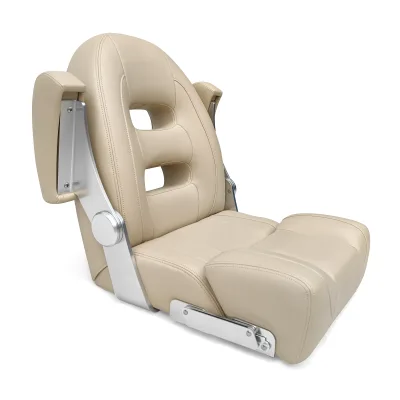
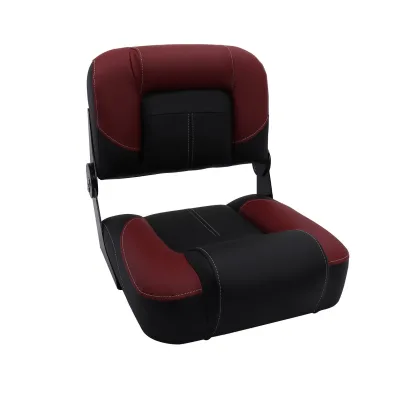
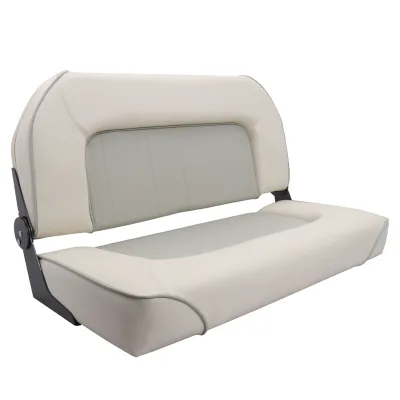


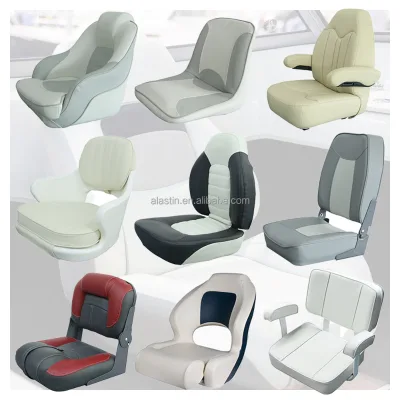


Comprehensive Sourcing Guide
Waterproof UV Protection Boat Seat Sourcing Guide
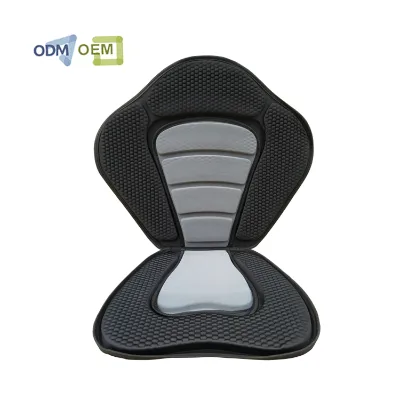
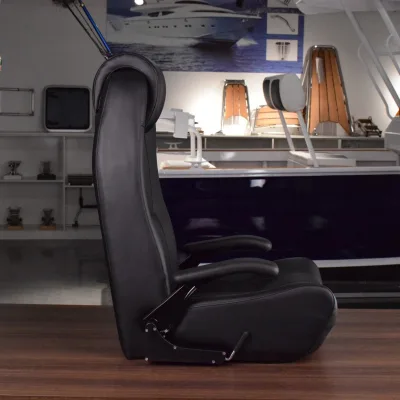
Procuring marine-grade seating requires identifying units explicitly designed for high-humidity environments and intense solar exposure. The observed product listings confirm that applications span yachts, boats, and recreational vehicles, necessitating materials that resist saltwater corrosion and UV degradation. Buyers must prioritize items where the cover material is specified as PVC, as this polymer offers superior resistance to moisture and fading compared to standard textiles.
Verification of the product condition is critical, as the market data indicates a prevalence of new units intended for replacement or repair scenarios. Sourcing teams should focus on listings that explicitly state the condition as "New" and confirm the customization availability, ensuring the seat can be tailored to specific vessel layouts. This approach minimizes the risk of acquiring refurbished or incompatible inventory that fails to meet the rigorous demands of marine environments.
Product Scope and Observed Listing Signals
The available inventory demonstrates a distinct range of physical dimensions, with observed sizes varying from approximately 440mm to 600mm in width and depth. This variance suggests that buyers must carefully match the mounting footprint of the new seat to the existing boat structure, as a standard fit is not guaranteed across all listings. The presence of specific mounting sizes, such as 285mm by 285mm, indicates that compatibility checks are essential before finalizing any purchase order.
Color and finish options are diverse, ranging from standard black and white to custom requests in blue, yellow, or gray. While some listings offer a "Gaizzly" finish, the primary focus for marine applications should remain on high-visibility colors like black and yellow, which are explicitly noted in the data. Buyers should verify that the selected color option includes UV-resistant properties to prevent premature fading, ensuring the aesthetic and functional longevity of the seating within the vessel.
Technical Specifications to Verify
Structural integrity relies heavily on the bottom material, which is frequently identified as metal or aluminum in the observed product data. Aluminum construction is particularly advantageous for marine use due to its lightweight nature and inherent resistance to rust, making it a preferred choice for boat seats. Procurement teams must confirm the specific alloy or treatment used to ensure the frame can withstand the corrosive effects of saltwater without compromising safety or stability.
Cushioning technology is another critical specification, with vacuum foam cushions appearing as a standard feature in high-quality listings. This type of foam provides necessary support while resisting water absorption, a common failure point in traditional upholstery. Buyers should also inspect the optional accessories, such as slide mechanisms, armrests, and micro switches, to ensure the seat offers the desired adjustability and safety features required for the specific vessel type.
Compliance and Safety Documentation
Certification status is a primary indicator of product reliability, with the observed listings frequently citing CE and ISO compliance. These certifications suggest that the manufacturing processes adhere to international safety and quality benchmarks, which is vital for marine equipment subject to rigorous regulatory scrutiny. Buyers should request valid certificates for each batch to verify that the products meet the specific safety standards required for their region and vessel classification.
The standard documentation should also include detailed material safety data sheets, particularly for the PVC cover and foam cushioning materials. Ensuring that the materials are non-toxic and resistant to mold growth is essential for maintaining a healthy environment on board. Procurement teams must verify that the supplier provides clear documentation regarding the fire resistance and chemical stability of the components, as these factors are often overlooked but critical for marine safety compliance.
Cost Drivers and Commercial Terms
Pricing in this category exhibits significant variance, with observed ranges extending from approximately $10.73 to $687.83 per unit. This wide disparity is driven by factors such as material quality, customization levels, and the inclusion of advanced accessories like suspension systems or micro switches. Buyers should analyze the cost per unit against the specific technical specifications to avoid overpaying for basic models or underestimating the cost of fully equipped, high-performance seating solutions.
Minimum Order Quantities (MOQ) also vary considerably, ranging from as low as 2 pieces to 500 pieces depending on the supplier and customization requirements. Smaller MOQs are advantageous for fleet replacements or small boat owners, while larger orders may unlock better pricing tiers for commercial operators. It is crucial to negotiate terms that align with the buyer's inventory strategy, ensuring that the lead time and packaging, such as single item cartons or export packages, do not disrupt the supply chain.
Supplier Qualification and Quality Control
Geographic concentration of suppliers is notable, with origins primarily located in Shandong and Fujian provinces in China. This regional clustering suggests a mature supply chain with established logistics networks, yet it also necessitates rigorous vetting to ensure consistent quality across different manufacturers. Buyers should verify the specific factory capabilities and production history to confirm that the supplier has a proven track record in manufacturing marine-grade seating components.
Quality control protocols must be explicitly defined, focusing on the consistency of the vacuum foam cushioning and the durability of the metal frames. The observed data indicates that some products undergo specific testing, such as CE and ISO passes, but buyers should demand independent verification of these claims. Establishing a clear quality assurance process, including pre-shipment inspections and sample testing policies, is essential to mitigate the risk of receiving substandard products that fail under marine conditions.
Long-Term Procurement Checks
Sustainability and after-sales support are key considerations for long-term procurement strategies, particularly given the harsh operating environment of marine vessels. Buyers should inquire about the availability of spare parts, such as replacement cushions or slide mechanisms, to extend the lifecycle of the seating. Ensuring that the supplier offers a reliable warranty and responsive customer service is critical for maintaining fleet readiness and minimizing downtime.
Regular performance monitoring of the installed seats is necessary to validate the initial selection and identify any emerging quality issues. Buyers should track the condition of the UV protection and water resistance over time, comparing actual performance against the initial specifications provided. This data-driven approach allows for continuous improvement in future sourcing decisions, ensuring that the procurement strategy remains aligned with the evolving needs of the marine industry.
FAQs
What materials are used for waterproof boat seats?
The seats utilize PVC cover material and a metal bottom structure. This combination ensures durability and resistance to marine environments. The foam cushion inside is vacuum-sealed for comfort. These materials are selected to withstand moisture and UV exposure effectively.
Can I customize the color of the boat seat?
Yes, customization is available for the boat seat. Buyers can choose from black, white, gaizzly, blue, or yellow options. The brand also accepts custom logos and colors. This flexibility allows for tailored aesthetics to match specific yacht or RV interiors.
What certifications do these boat seats hold?
The products hold CE and ISO certifications. These standards ensure quality and safety compliance for marine applications. The manufacturer adheres to ISO, ANSI, and ASTM standards. This certification provides assurance for buyers requiring regulated components for their vessels.
What is the minimum order quantity for these seats?
The minimum order quantity varies by supplier. Some listings require only 2 pieces, while others specify 200 pieces. This range allows flexibility for both small repairs and large fleet upgrades. Buyers should check specific supplier terms to determine the applicable MOQ.
How are the boat seats packaged for shipping?
Packaging includes carton boxes and PE film wrapping. Some items use single item packing or export packages. Marine grade cartons are also utilized for protection. This secure packaging prevents damage during transit and ensures the seats arrive in new condition.
What sizes are available for the boat seats?
Several sizes are available, including 600x700x600mm and 520x600x510mm. Other options include 440x590x430mm and 440x620x420mm. Mounting sizes like 285x285mm are also offered. These dimensions cater to various boat and yacht seating configurations.